I work in health data science and informatics, building systems that turn messy, fragmented data into structures we can actually analyze. I’m currently finishing the remaining project requirements for my MPH in Public Health Data Science and working with the Center for Public Health Systems, where I help design and maintain pipelines that integrate large federal health-funding datasets into tables and visual tools used for analysis. I also assist on a project analyzing PHIG funding.
I’ve always been drawn to building things and understanding how complex systems work and interact. I was interested in engineering early on, and later in computers as they became more available (My parents still have a landline), because they made it possible to see how ideas and components fit together into functioning systems. I was equally fascinated by biology for similar reasons. The human body, in particular, is an intricate network of interdependent systems, chemical processes, and mechanisms that only makes sense when you understand how its parts function together. That same interest is what originally drew me toward health science: not just individual organs, but how organ systems interact inside of us.
That mix of interests shaped my early education. In high school, I spent four years in a biomedical sciences program and was the first student to participate in both the biomedical and engineering tracks at the same time. Having exposure to both made it natural for me to move between technical and scientific contexts and reinforced my interest in working at the system level rather than focusing on isolated components. I later earned a BS in Data Analytics with a domain in biology, along with minors in Biology and Applied Statistics, at the University of St. Thomas. Alongside my coursework, I took classes in biochemistry, computational biology, and ethics, and completed independent research on nutrition trends in the United States since 2010. Throughout my undergraduate years, I worked full time—first with Target during the pandemic and later in Information and Technology Services (ITS) at the university—where I gained hands-on experience developing and supporting processes and tools that people still rely on day to day. I received the university’s ITS Outstanding Student Award for that work.
Over time, I’ve found myself drawn to roles where I can build data infrastructure and analytical tools in applied public health settings—especially work that sits between research and real-world operations, as I don’t see myself as an academic. More recently, my interests have centered on federal health funding data (for obvious reasons), cross-program data integration, and creating tools that help people explore and understand statistics and complex datasets without the need for advanced computing.
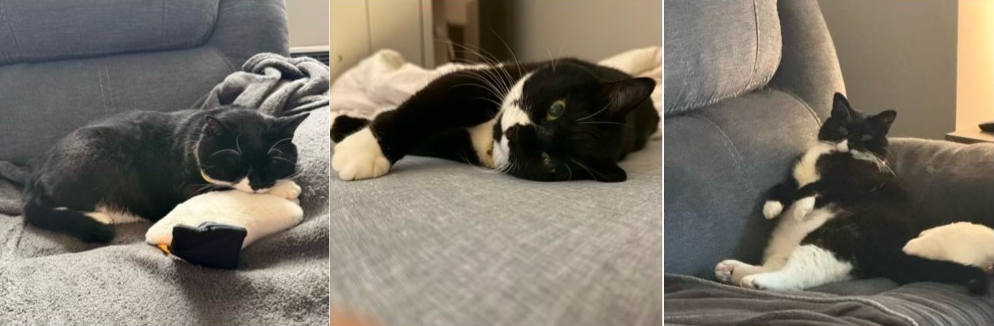
Outside of work and school, I enjoy experimenting in the kitchen (and sometimes baking), weightlifting, walking around Minneapolis as the weather allows, dabbling in botany, and spending time with my cat, Lulu. I’m a proud Minnesotan shaped by long winters along the river, local sports loyalties, and a general preference for things that are built to last and do what they’re supposed to do.